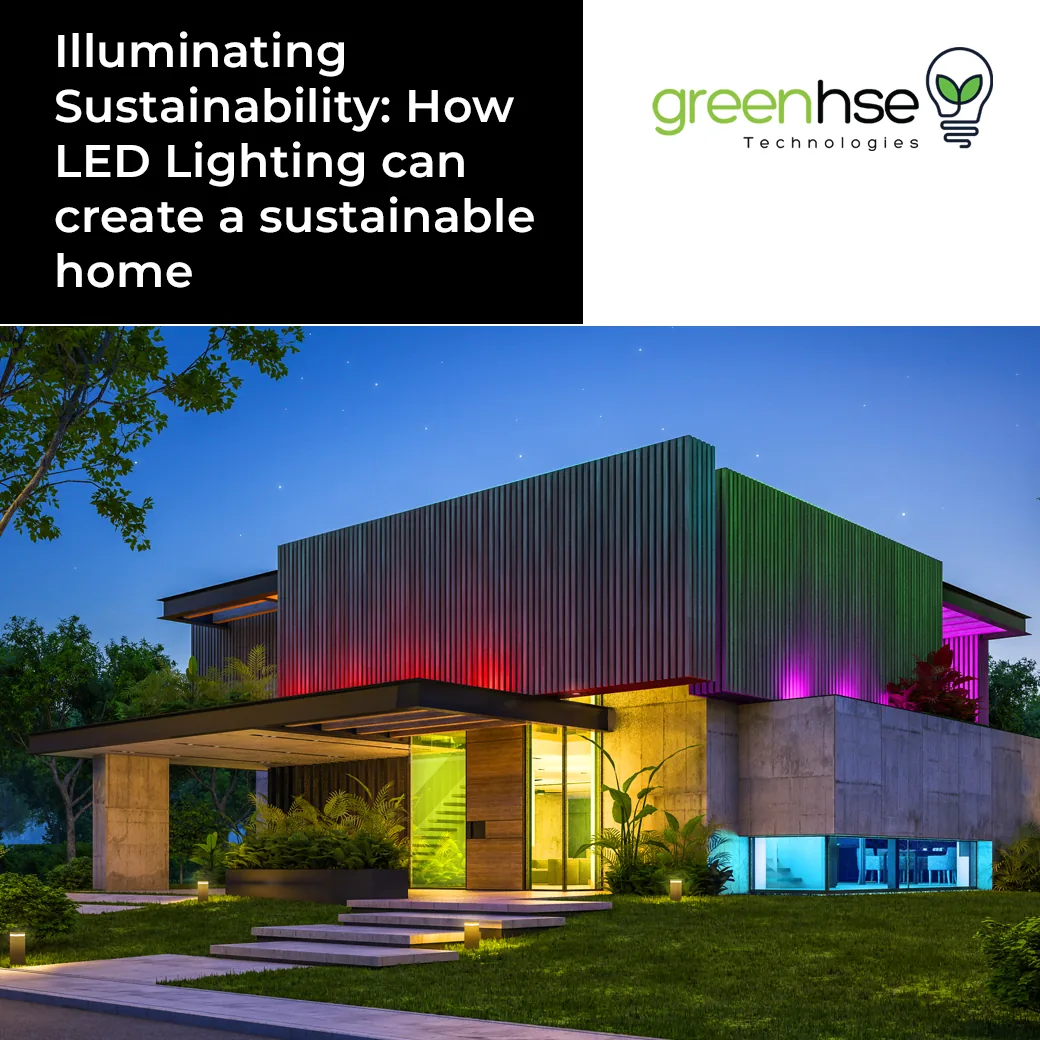
LED downlights cut electricity use by 50 to 80%
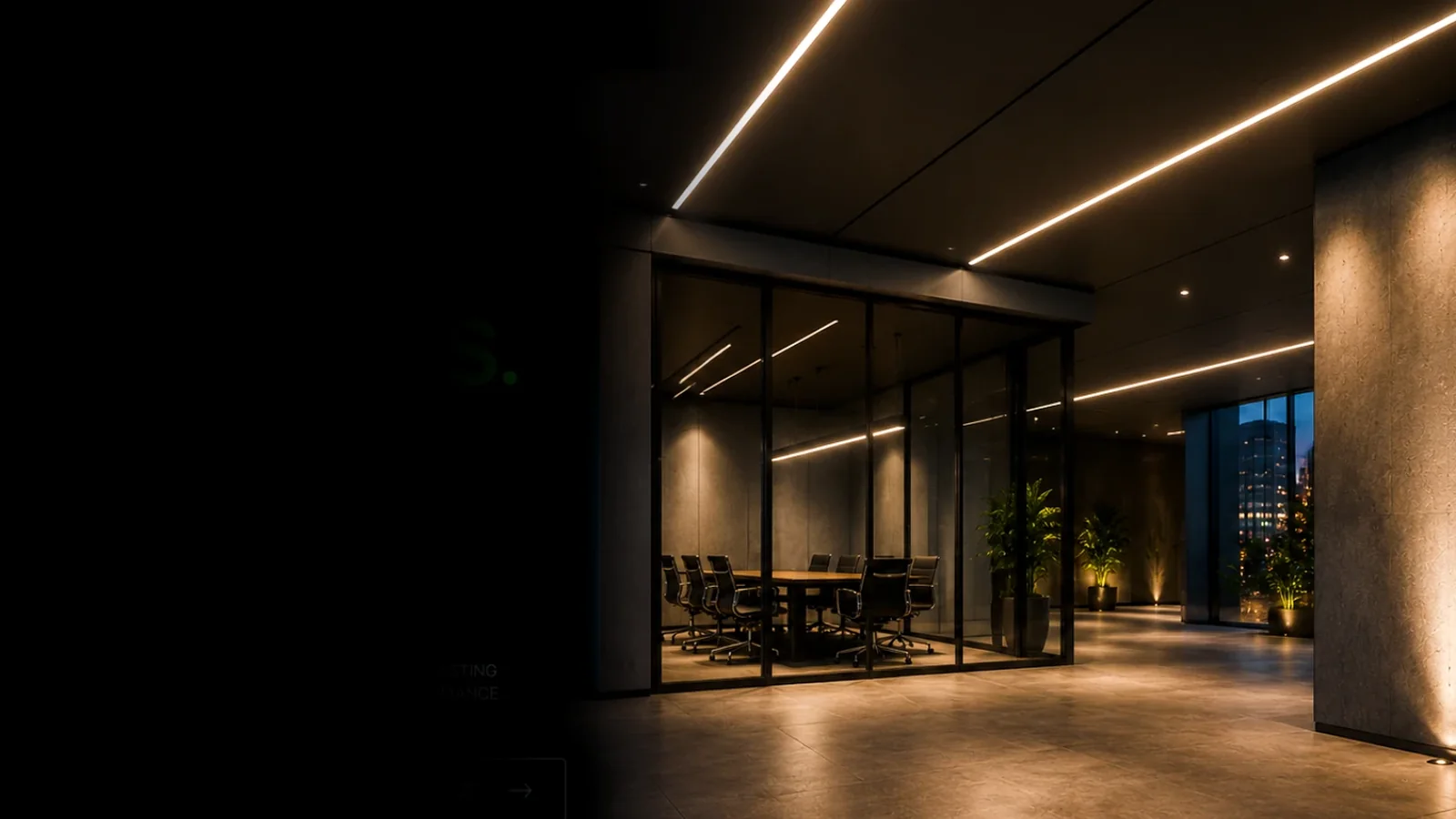
LED downlights have been a great innovation. They save between 50 and 80% on electricity costs compared with older incandescent, halogen and even fluorescent or compact fluorescent globes. An LED converts most of its power into light rather than heat, which is why a downlight of around 8W to 10W can replace a 50W halogen. That significant reduction in energy consumption translates into lower electricity bills and less strain on the environment. To learn more, read Why LED Downlights are Beneficial.
Better light, not just cheaper light
LED design improvements have also delivered better lighting solutions. Colour temperature can now be selected to suit the room, from warm white for bedrooms and living areas to cool white for kitchens and garages, and many downlights let you switch between settings at installation. New lens designs ensure low glare, so the light is comfortable to sit under rather than a bright spot on the ceiling.
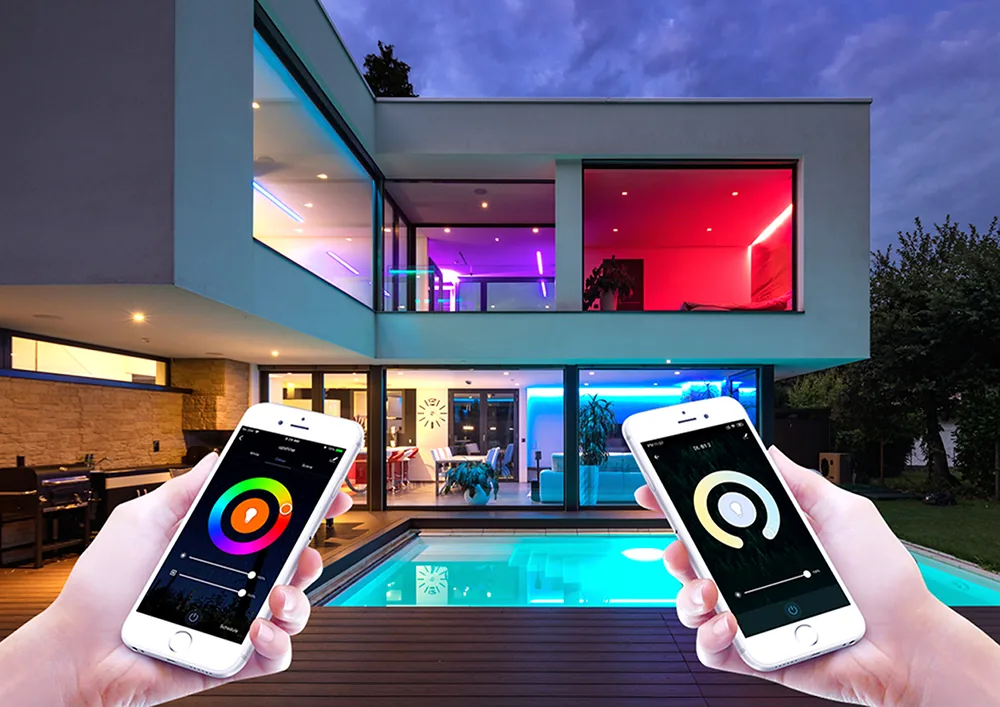
LED lights can also be integrated with smart home systems, enabling homeowners to control and automate their lighting. Smart Bluetooth and WiFi lighting systems allow personalised settings, timers and motion sensors, which optimise energy usage and reduce unnecessary lighting. A hallway light that switches off after two minutes, or a scene that dims the living room at 9pm, saves energy without anyone having to think about it.
Long life means less waste
LED lights have an impressive lifespan, lasting up to 25 times longer than traditional bulbs. This longevity reduces the frequency of replacements and minimises the amount of waste going to landfill. Fewer globes manufactured, packaged, shipped and thrown away is a real sustainability gain in its own right. By choosing LED Downlights, homeowners contribute to a more sustainable waste management system.
Lower carbon footprint, safer materials
The energy efficiency of LED downlights directly translates to a reduced carbon footprint. By using less electricity, LED lights help decrease greenhouse gas emissions from power generation. As more households transition to LED lighting, the collective impact on the environment becomes substantial.
Unlike traditional bulbs, LED lights do not contain toxic materials such as mercury, which makes them safer for both people and the environment at the end of their life. LED lights also generate far less heat, reducing the risk of fire hazards in ceilings and around insulation. The absence of toxic materials and the lower heat output contribute to a healthier and safer living environment.
DC fans: the other half of a sustainable home
Ceiling fans now come with LED lights too, but to maximise energy savings, DC fans are far better than AC fans. A DC fan uses less energy when the speed is reduced, unlike an AC fan, which always draws close to the maximum wattage specified. For example, a DC fan on speed 1 can produce 5 CBM (cubic metres) of airflow using about 7 Watts of energy. An AC fan will use about 75 Watts, which is 10 times more. Even on maximum speed, a good DC fan will use at least 50% less than an AC fan. Read why DC fans are better than AC fans for the full comparison.
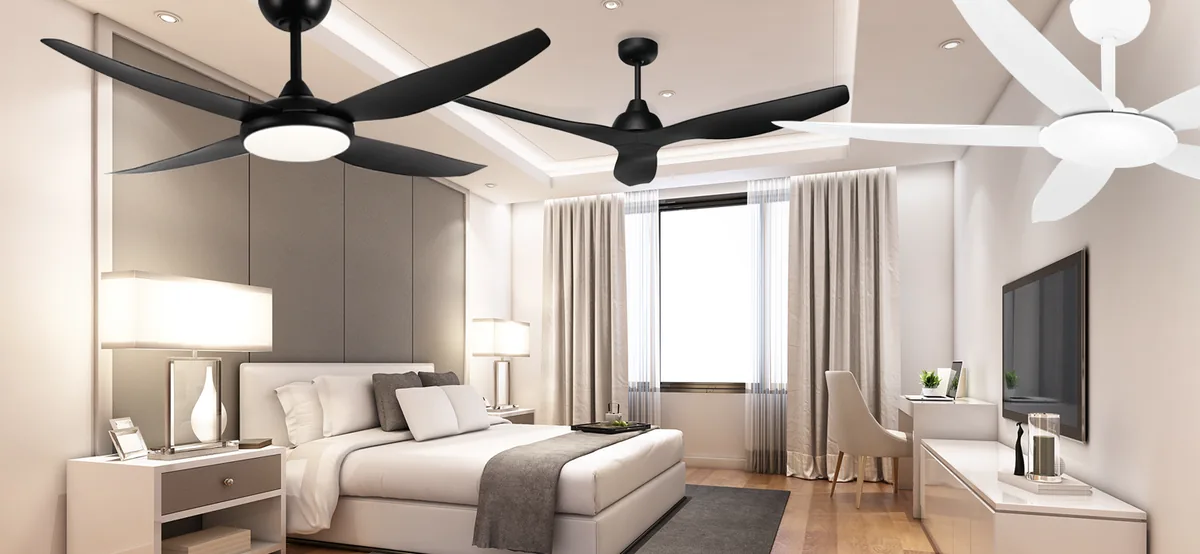
Other advantages of a good DC fan are that it is a lot quieter, because it uses brushless motor technology, it has more speed variations, the airflow direction can be reversed for winter, and everything is controllable via a remote. Remote control also makes installation cheaper and easier, as no wall controller needs to be wired in.
Energy cost matters most in a bedroom, the most common place for a fan, where it will run all night, every night. An air conditioner uses between 1000 and 7000 watts per hour, while a DC fan uses about 7 to 20 watts per hour, so the savings are enormous over a Perth summer.
Choosing a DC fan
- Choose a fan with well-designed blades, as airflow and low running costs are the most important factors.
- 3 blade fans should produce up to 10 CBM, 4 blade fans 15 CBM, and 5 blade fans 17 CBM of airflow.
- If purchasing a fan with a light, about 24 watts will be sufficient for a bedroom.
A brighter, more sustainable future
LED lighting has emerged as a popular sustainable solution for modern homes in Perth. LED lights reduce energy consumption and lower electricity bills, and they also contribute to a reduced carbon footprint and a healthier living environment. With their longevity, versatility and smart integration, LED lights give homeowners the opportunity to create a sustainable and efficient home without sacrificing design and functionality. Pair them with a DC fan and the biggest everyday loads in the home, lighting and cooling, are both under control.
Greenhse Technologies aims to provide eco-friendly, energy-efficient LED lighting solutions that create sustainable environments, and is committed to driving positive change through innovative LED lighting. Visit the showroom at 5/1 Locke Lane, Ellenbrook WA 6069, call (08) 9297 2969, or browse the Smart LED Lighting Products in Perth online, all under one roof.
Shop the range