
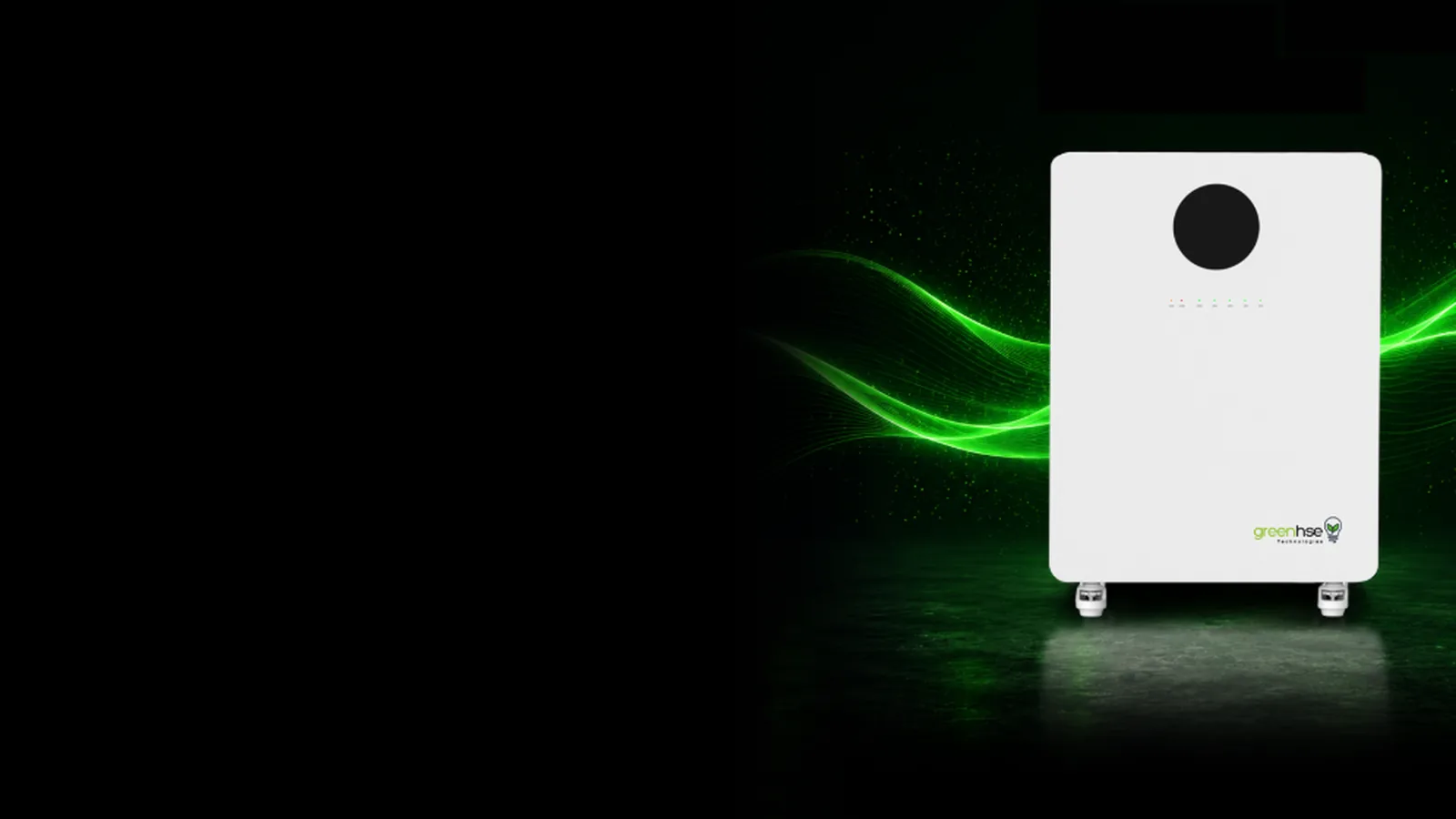
From July 2025, Aussies can save 30% on solar battery systems. This post explains what the Australian Government's Cheaper Home Batteries Program is, who is eligible, how the rebate works alongside state incentives, and what it means for households, businesses and the wider energy industry. It also introduces GreenCharge, our dedicated platform for battery guidance.
What is the Cheaper Home Batteries Program?
Starting 1 July 2025, the Australian Government rolled out the Cheaper Home Batteries Program, a $2.3 billion initiative designed to make clean energy storage more accessible. Under this program, households, small businesses and community facilities can access a 30% discount on the upfront cost of installing eligible small-scale solar battery systems (5 kWh to 50 kWh capacity).
The incentive is delivered through the Small-scale Renewable Energy Scheme (SRES) and will gradually taper off until 2030, encouraging early adoption. The Government's target is ambitious: to install over one million new batteries by 2030.
Why this matters
For households
- Big savings: existing solar owners could reduce their energy bills by up to AUD 2,600 per year. Those who add both solar and batteries may save as much as AUD 6,000 annually, potentially reducing a typical family's electricity costs by up to 90%.
- Energy independence: store your daytime solar power for use in the evenings, reducing reliance on fluctuating grid prices.
- Long-term payback: even after rebates taper, battery technology is becoming cheaper, meaning today's investment sets households up for future-proof energy savings.
For the grid and climate
- Grid resilience: batteries smooth out peak demand, such as summer evenings when air-conditioners spike usage.
- Reduced emissions: more storage means less reliance on coal and gas during high-demand periods.
- Support for renewables: solar is already Australia's most popular renewable; batteries are the missing link that makes it reliable around the clock. The Government's announcement, Discounted batteries for households through the Cheaper Home Batteries Program, sets out the details.
Who is eligible and key details
- Eligible recipients: households, small businesses and community facilities, with existing or new solar.
- Battery criteria: usable capacity between 5 kWh and 100 kWh, with rebates applying up to 50 kWh. The battery must be CEC-accredited, Virtual Power Plant (VPP)-capable, and installed by an SAA-accredited installer.
- One rebate per site: only one rebate per household or per business meter.
- Program delivery: rebates are applied at the point of sale via accredited retailers and installers, so there is no separate claim form for the homeowner to lodge.
State programs and stacking incentives
Australia already has several state-level incentives for batteries, and these can often be combined with the federal program for greater savings:
- Victoria: Solar Homes Program battery rebate (up to $2,950).
- South Australia: Virtual Power Plant schemes offering discounted batteries.
- New South Wales: Empowering Homes program with zero-interest loans.
- Queensland: a solar battery rebate pilot was announced for 2024.
Households should check federal and state programs together to maximise benefits, and confirm current terms before signing, as state schemes change over time.
What it means for industry
- Solar retailers and installers: expect strong demand growth, requiring a scale-up of the certified workforce.
- Battery manufacturers: Australia could become a priority market, driving competition and lowering prices further.
- Virtual Power Plants (VPPs): as more households join VPPs, grid operators can tap into distributed storage, reducing blackouts and stabilising supply.
How to apply
The Cheaper Home Batteries Program represents more than just cost savings. It is a landmark shift in how Australians generate, store and use energy.
For households:
- Check eligibility. Do you have solar, or are you planning a new installation?
- Select accredited products and installers. Compliance ensures safety and eligibility for rebates.
- Explore VPPs. Join a network to earn bill credits or payments for sharing stored energy back to the grid.
For businesses, batteries can reduce overhead costs and enhance sustainability credentials, which is essential in ESG reporting and in achieving carbon targets.
Explore more with GreenCharge
To help households and businesses make the most of the Cheaper Home Batteries Program, we have launched our new dedicated platform, GreenCharge. There you will find clear guidance on eligibility, accredited products, and how to maximise your savings by combining federal and state rebates. We have shared this blog across our wider network to raise awareness, but GreenCharge is the go-to hub for the latest tools, resources and expert insights tailored to Australians ready to take the next step in their clean energy journey.
Final thought
This program is not just about cleaner energy. It is about empowering Australians to take control of their energy future. With falling technology costs, generous incentives and growing climate urgency, now is the perfect time to invest in solar batteries. By 2030, a million homes and businesses could be powered by stored solar energy, reducing bills, easing grid strain and driving Australia closer to its net-zero goals.
Greenhse Technologies in Perth has supplied energy-efficient LED lighting and smart home products for many years, and a home battery is a natural next step for customers who have already cut their lighting load. If you would like to talk through your options, visit us at 5/1 Locke Lane, Ellenbrook WA 6069 or call (08) 9297 2969.
Shop the range