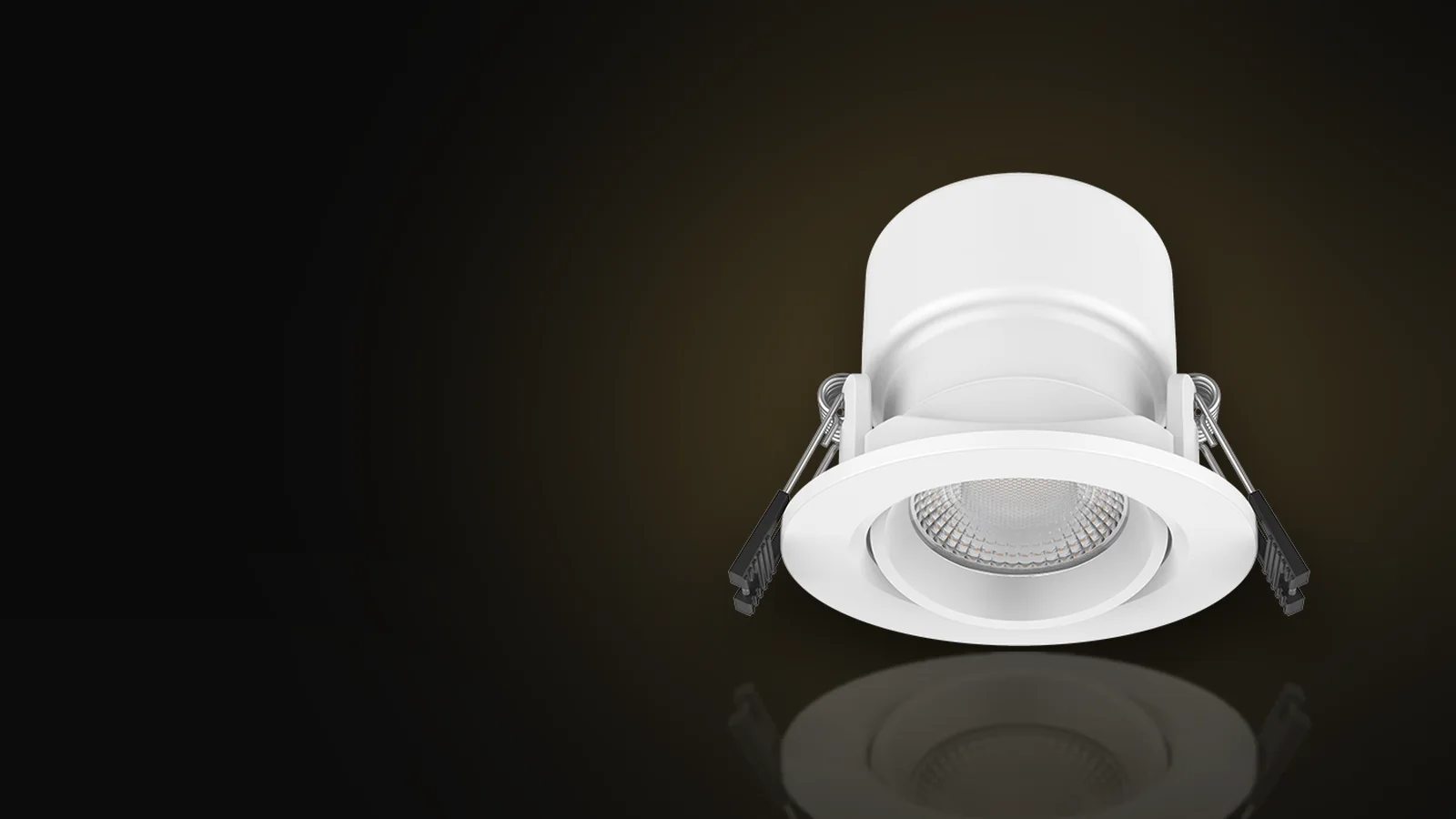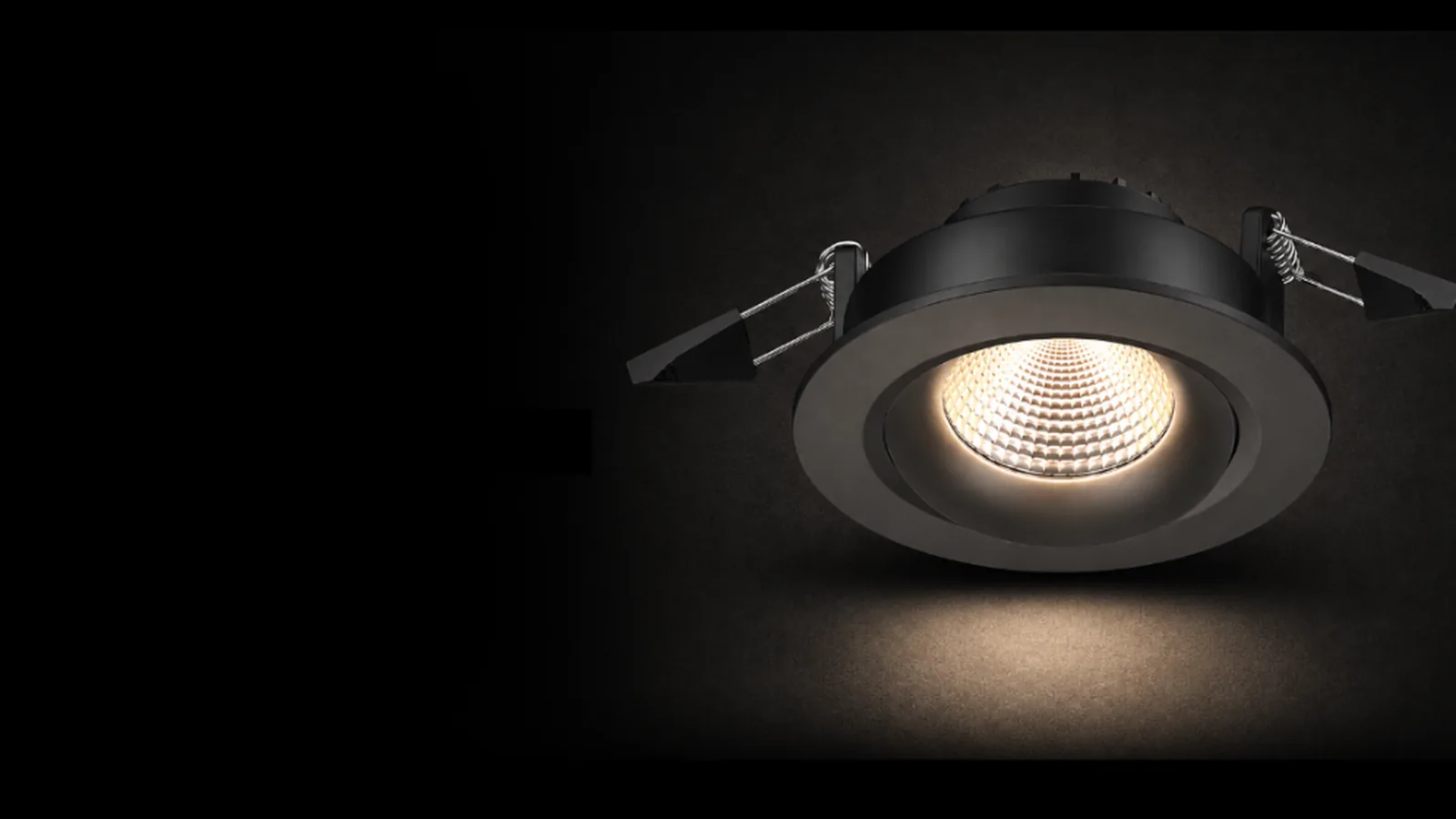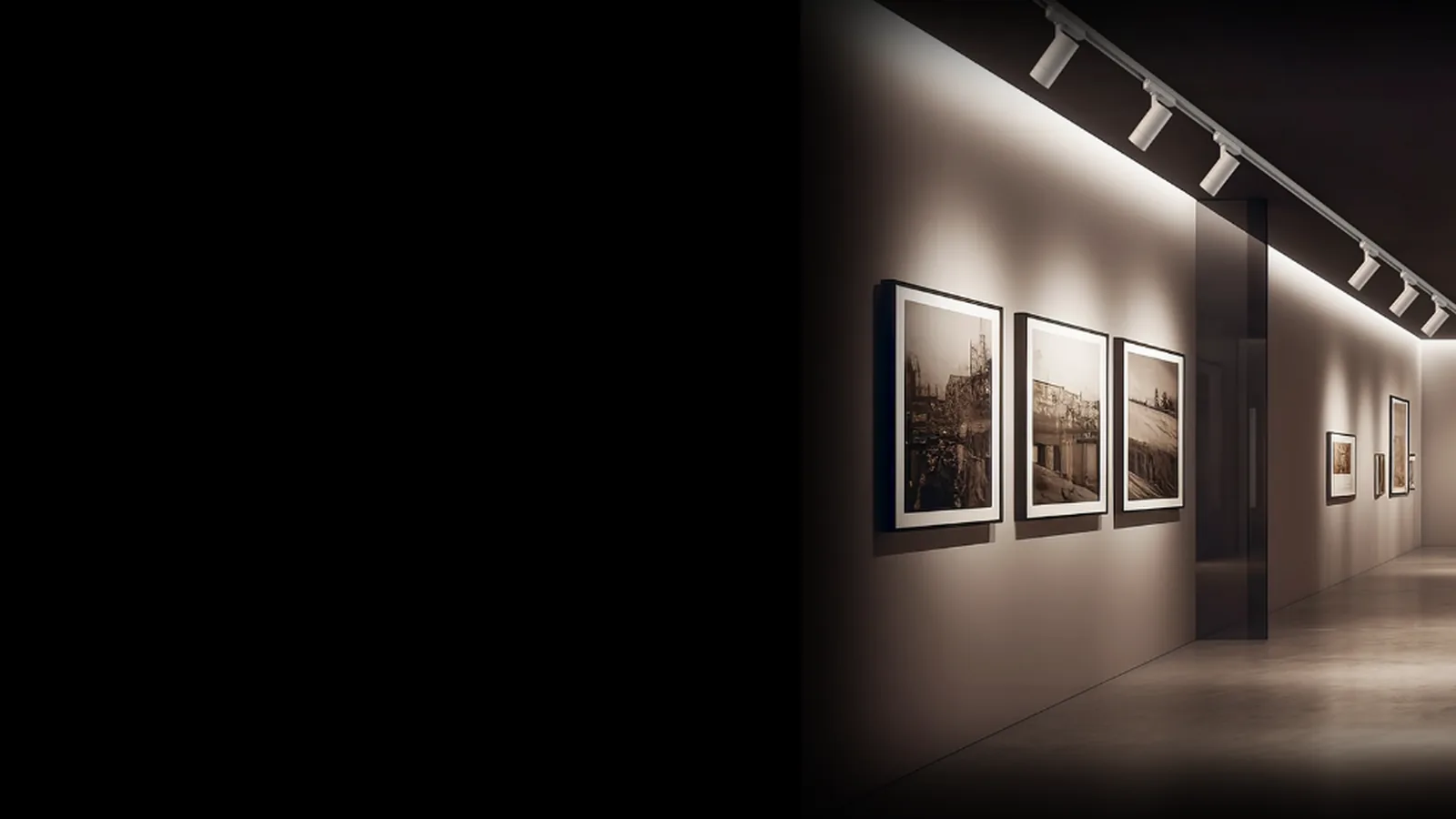
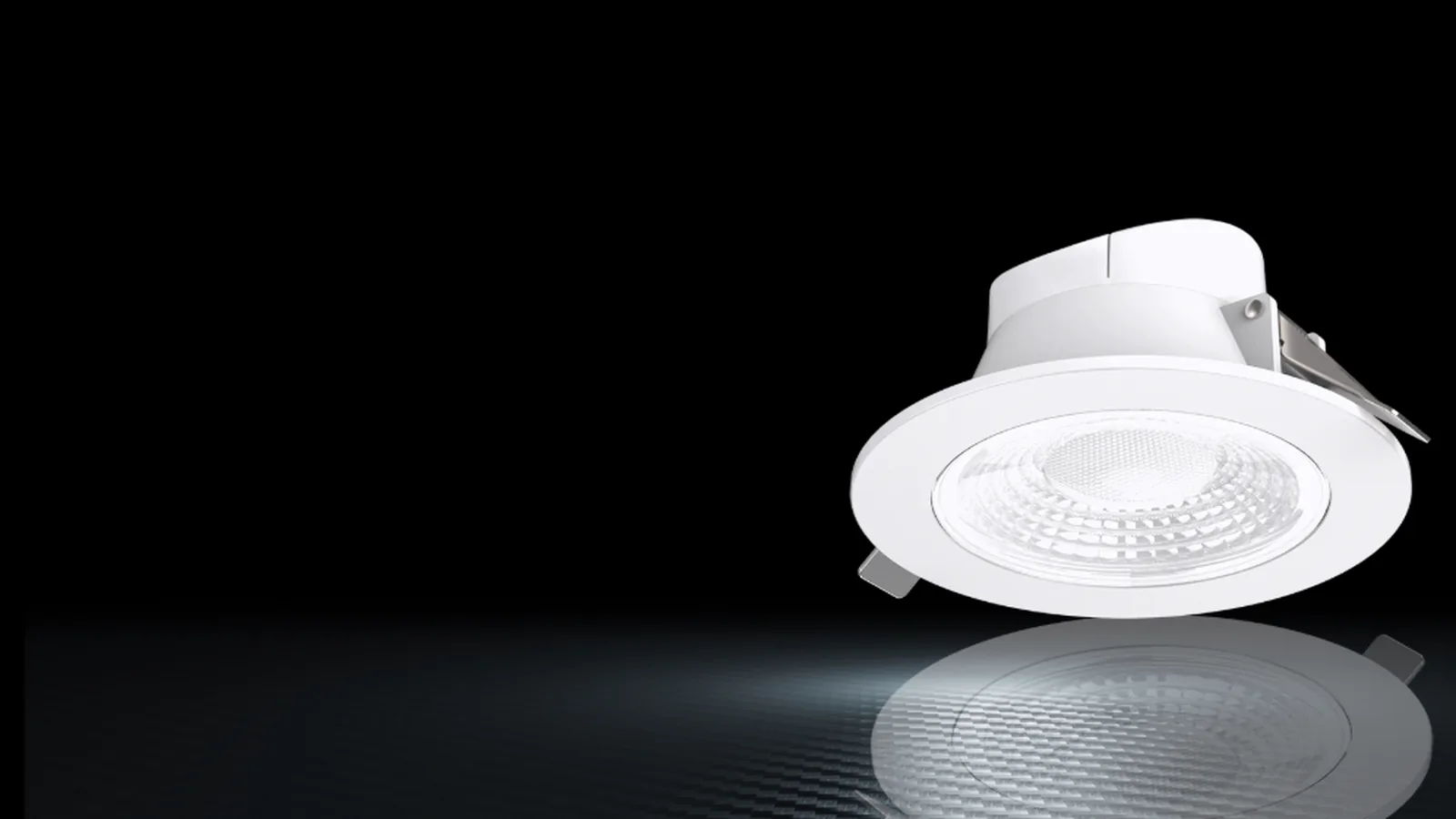
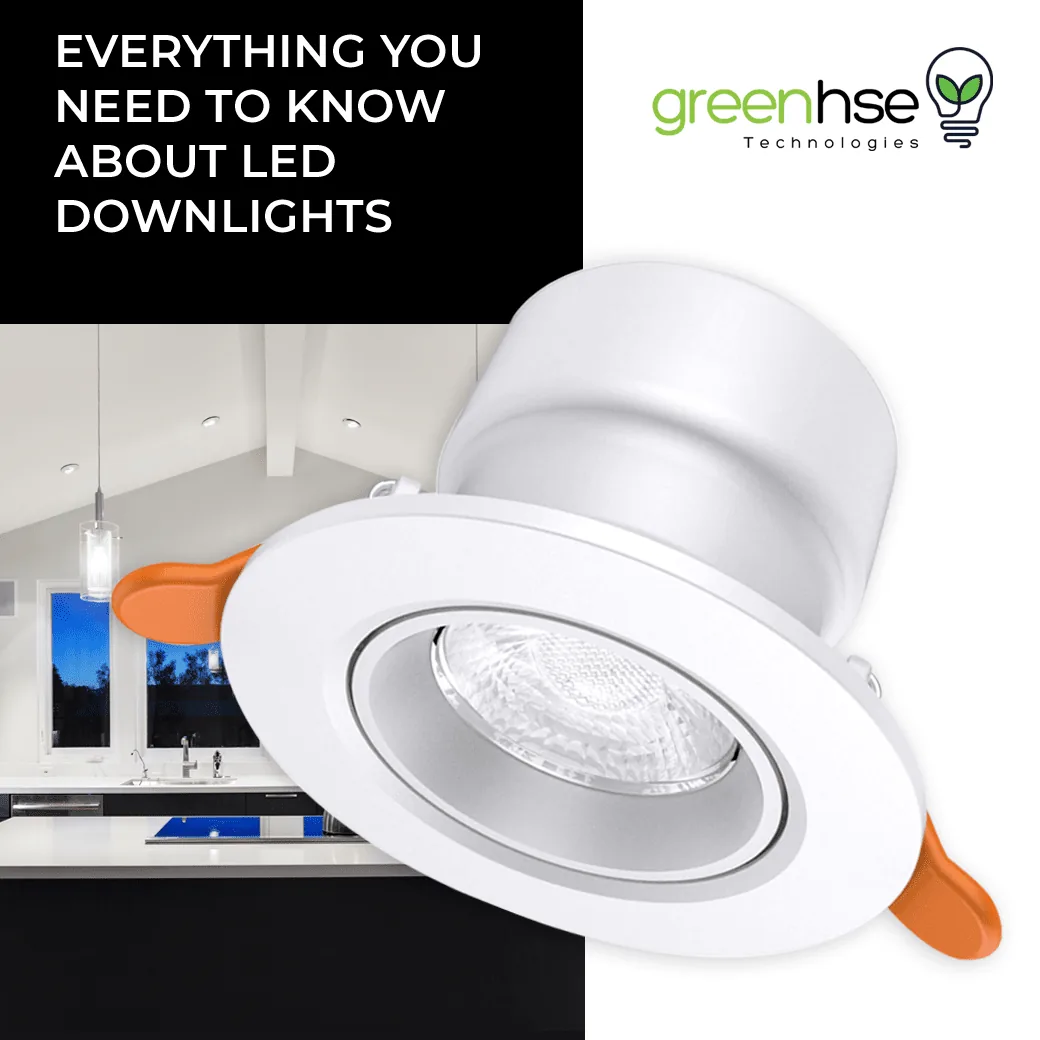
LED downlights are the most common lighting in homes and commercial installations. They cost under $10, with installation from $15 to replace a halogen or $20 to $35 for new installations, yet builders charge up to $150 per fitting installed and often compromise light quality. This guide covers the choices, judging quality, and how to select and position downlights.
How to compare and get better quality downlights
1. Lumens
You pay for lumens, not watts; efficient lights give more lumens per watt. Look for output lumens: packaging often quotes chip lumens, and output is about 15% less, sometimes half.
2. Dimming
Check the light is dimmable; dimmer switches affect the range, and some flicker when low. Dimming sets mood, cuts glare, saves power in proportion (unlike halogen) and extends lifespan.
3. Light colour
Most downlights have a 3-colour switch; cheaper ones do not. Common settings: Warm White (3000k), Natural White (4000 to 4500k) and Cool White (5000 to 6000k). Check the Kelvin value: some suppliers call 4000 to 4500k Cool White and 5000 to 6000k Daylight or Bright White. Warm White is relaxing and preferred by hotels; Natural White has less yellow and is the most popular home choice; Cool White suits offices, with a trend from 6000k to 5000k, easier on the eyes with less blue light. We recommend LED downlights with 3000k, 4000k and 5000k settings. Smart downlights allow any temperature between 2700k and 5700k.
4. CRI, light quality
Kelvin is an average, so two 3000k, 4000k or 5000k lights can differ, some with green or pink tints. Compare CRI (colour-rendering index): over 80% for homes, over 90 for shops and displays.
5. IC-4 or IC-F
Downlights get hot. All should have IC-4 or IC-F certification; IC-4 is higher, indicating under 0.4mm gap so insects and material cannot enter and add fire risk. Certified lights with built-in drivers can abut insulation, needing no gaps or canisters. Never fit uncertified downlights.
6. Certification and public liability
Downlights must meet Australian wiring regulations. Some certification covers part of the fitting, comes from a non-registered laboratory or is not genuine. If a non-compliant fitting, or one not fitted by a registered electrician, causes a fire, insurers will not pay. Check that supplier and electrician hold public liability insurance.
7. Cords and plugs
Unless in a concrete slab, downlights come with cords and sockets, one plug base per light. Hard-wiring voids IC-4/F certification and makes replacement costlier.
8. IP rating
First digit is dust, second water. Rain areas need IP65; under eaves and wet areas IP54 generally suits (your electrician will verify). Higher ratings also keep insects out.
9. Beam angle
Flat white diffusers spread light almost 180º, reaching the walls so rooms look brighter; without wall light a room looks dark whatever the lumens. They suit walk-in wardrobes or two per bedroom, but many together cause glare and suit fans poorly.
10. Low glare
Cheap wide-beam lights push people to excessive brightness and an office-like feel. Low glare lights are more comfortable, add mood and look nicer.
11. Lifespan and warranty
Good downlights are rated 40 000 hours, the time to fall to 70% brightness; commercial LEDs reach 120 000 hours. Drivers can fail earlier; look for surge protection. Warranties can outlast small online sellers, so choose an established company supplying credible, listed Chinese brands. Some suppliers have had over 50% failures within 6 months.
12. Smart downlights
Smart downlights dim, set colour from 2700k to 5700k, offer full colour, timers, alarms and links to other devices. Check:
- Colour matches your non-smart downlights.
- Dimming is suitable and flicker-free.
- Smart lights have permanent memory, or switching scrambles settings.
- WiFi or Bluetooth: many WiFi lights strain bandwidth; Bluetooth with a cheap gateway avoids this.
- For RGB, check colour brightness, not just white.
- Lights are not smart if the switch is off, so change switch and light together. Smart dimmable switches are not yet available.
- More electronics can fail: buy local, from a tested brand with continuity.
13. Exchangeable
Suppliers should recommend options and help with layouts, but you may change your mind after installing, so choose one offering money-back or exchange.
14. How to position downlights
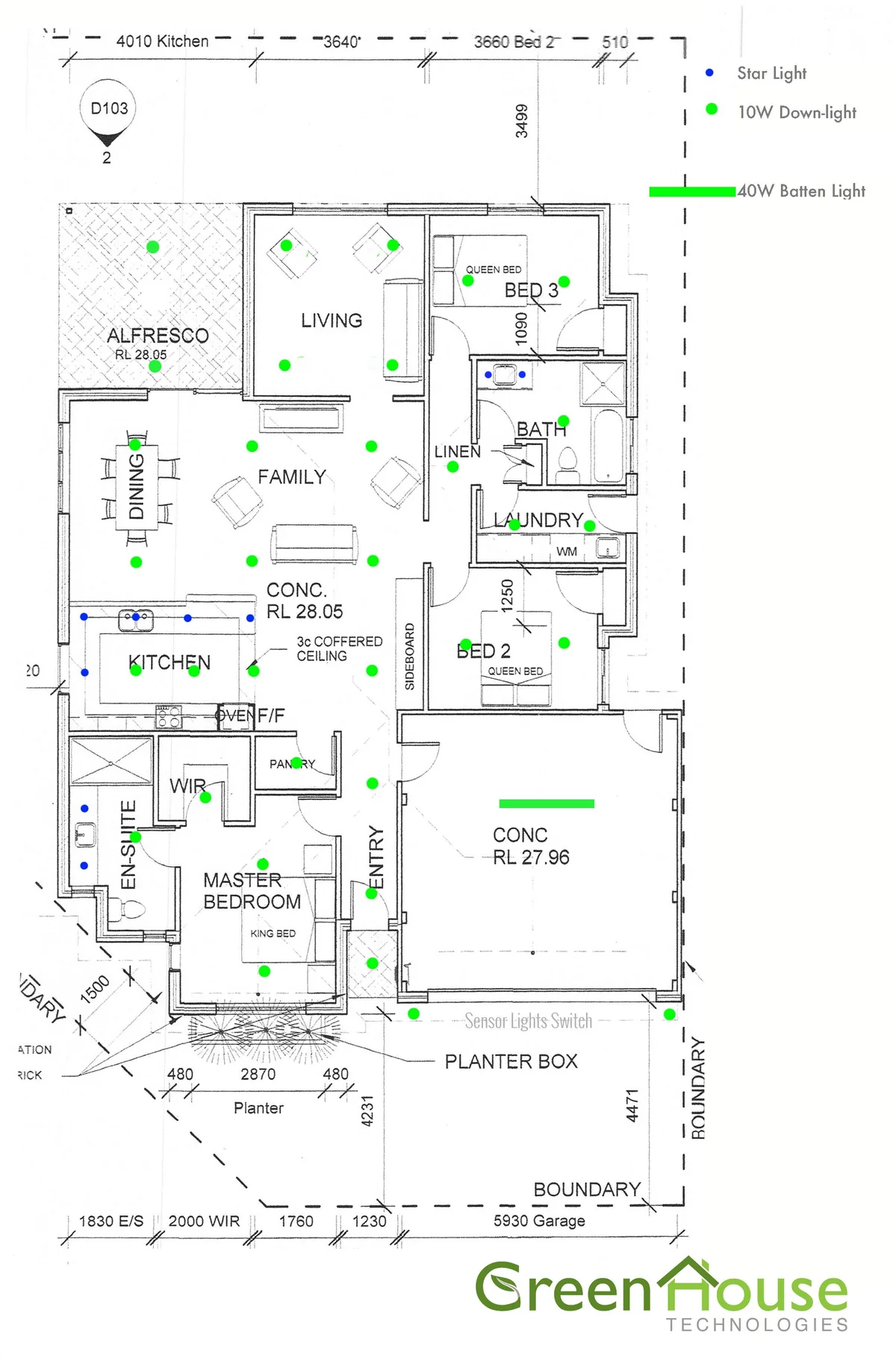
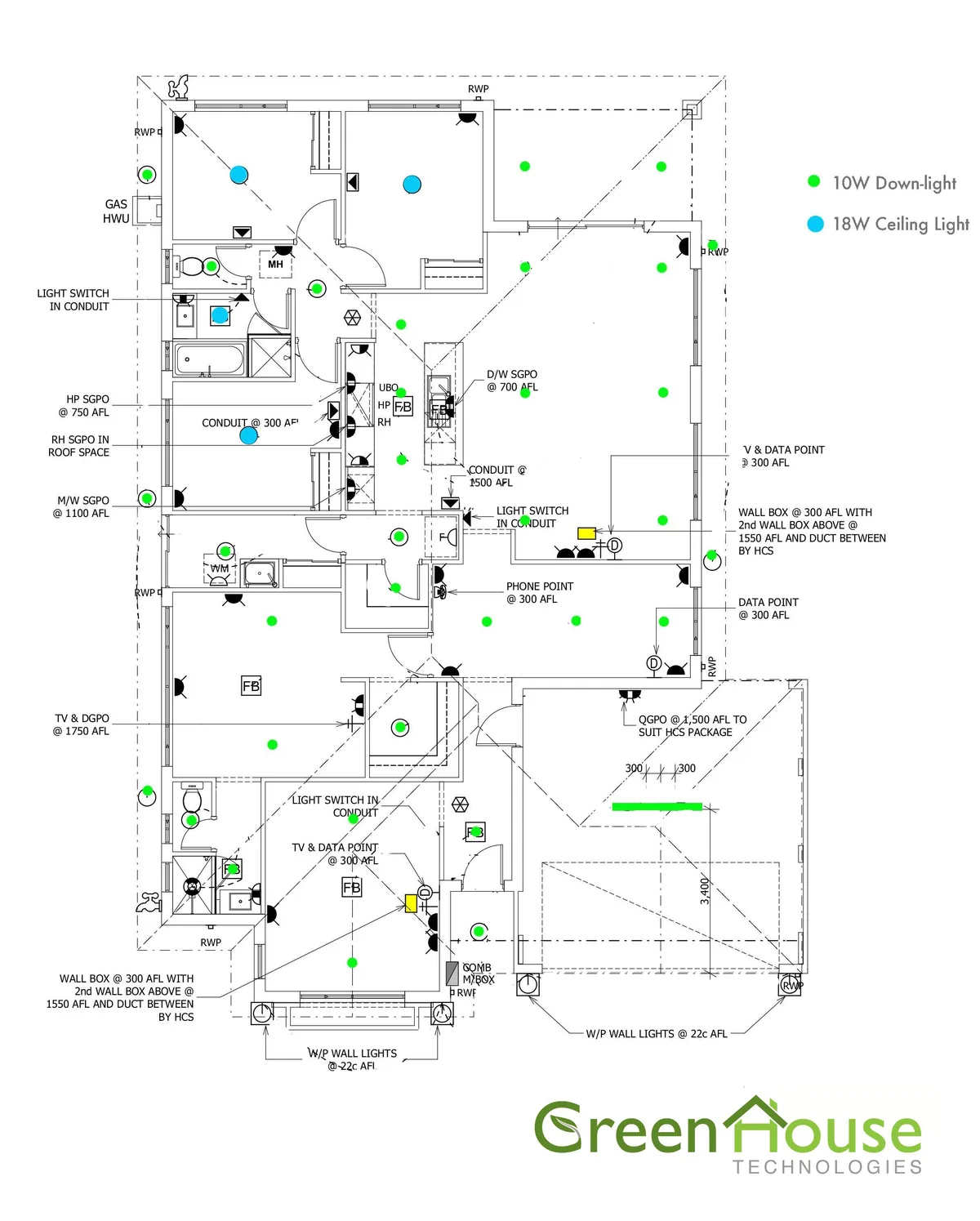
Place downlights about 3m apart, positioned by the room, not the furniture.
- Never one central downlight. Small rooms: two, 600 to 700mm from the walls, over 900 lumens each.
- Larger rooms: 4 in the corners about 650mm from each wall; 60º low glare lights suit these and central fans.
- Kitchens: at least 3 wide-beam lights to limit shadows; add under-cabinet strip with low glare.
- Passages and living areas: three metre spacing, aligned with other lights. Check beams before cutting holes; one light out of line looks bad.
- Bathrooms: at least 2 downlights, or 1 with starlights, to cut mirror shadows.
15. Greenhse basic downlight easy selection
- DL10ES: standard 10W tri-colour switch adjustable, wide beam.
- DL10BT: 10W Bluetooth, wide beam, colour and brightness set on the phone.
- DL10PS: 10W low glare tri-colour switch adjustable, 60° beam.
- DL10PBT: 10W low glare Bluetooth, 60° beam, set on the phone.
- DL9RGB: full-colour and colour temperature, wide beam, WiFi or Bluetooth.
WiFi costs less and needs no gateway for Alexa, Google or HomeKit, but needs a WiFi extender beyond 10 devices. Full-colour Bluetooth is more stable and easier to install but needs a gateway for those assistants.
16. How to choose downlight checklist
- High lumens: 10Watt should achieve 940 lumens
- Good dimming: at least 10%-100%; some reach 0% with specific dimmers
- Colour switch: 3000k / 4000k / 5000k
- Light colour: CRI of 80 or above
- IC-4 or IC-F: essential
- Certification and public liability: are you covered
- Cords and plugs: installation, safety, replacement
- High IP rating: IP65 and IP54 for wet areas or under eaves
- Beam angle: suits the room
- Low glare: comfort, or use with fans
- Lifespan and warranty: at least 40 000 hours, 4 year warranty
- Smart downlights: cheaper than adding dimmers
- Exchangeable: if you change your mind
For help with LED downlights in Perth, visit Greenhse Technologies at 5/1 Locke Lane, Ellenbrook WA 6069 or phone (08) 9297 2969.
Shop the range